





Extension of time request
Construction contracts generally allow the construction period to be extended where there is a delay that is not the contractor's fault. In the United States, this is described as a time extension. The UK equivalent is an extension of time (EOT). Fore more information see: Extension of time.
Time extensions may be granted if the contractor can demonstrate that the delay was caused by events beyond their control. The contract will typically specify the circumstances and format in which a time extension request may be made.
A request will commonly include the following details:
- The delay that has been incurred and the affected activities.
- The specific issues that caused the delay.
- What steps have been taken to mitigate the delay.
- Schedule or cost adjustments that have been made to try and reduce the impact of the delay.
- The contract clause that allows the request.
- The amount of time being requested (in calendar days) and the proposed recovery plan.
- Supporting documents, such as; photographs, video footage, timesheets, and so on.
- Evidence of communications warning of possible delays.
In submitting the time extension request, the contractor must consider that calendar days are not the same as working days, that insurances and other bonds may need to be re-issued to cover any agreed extension period, and no further time will need to be requested relating to the same events.
If they approve the request, the project manager must reply by letter and issue a change order. The contract may specify a time frame within which time extension requests should be submitted and a response issued.
[edit] Related articles on Designing Buildings Wiki
Featured articles
Check out some of the best features and news from Designing Buildings as well as key stories from around the web.

The Master Builder: William Butterfield and his times. Book review.

Why construction can't afford to ignore the skills gap.
Building Safety Regulator, 19 August

Gill Kernick appointed Independent Chair of Residents’ Panel.
Connecting knowledge, technology and conservation
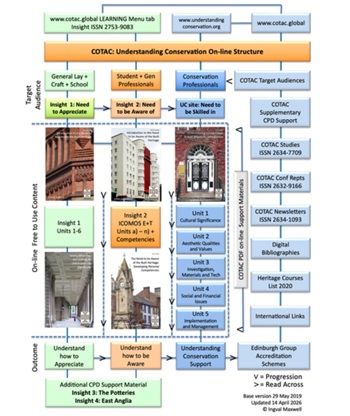
Building competence for the future of built heritage.
Building Regulations and Building Safety Act
CIOB publishes free advice for non-domestic clients.

Building Safety Newsletter from MHCLG.
An extraordinary record of steel engineering worldwide.

Households living near new pylons to save on bills.

ECA warns growth must not outpace grid capacity or skills.
The role of the client and decision making

CIOB response to built environment professions call for evidence.
Construction's sustainability reporting revolution
Tracking upfront embodied carbon with digital tools.
ECA welcomes procurement reforms

Public spending must back British jobs and skills.